Tag: Research

  • woodside gardens 16th december 2012 by Jane Remover

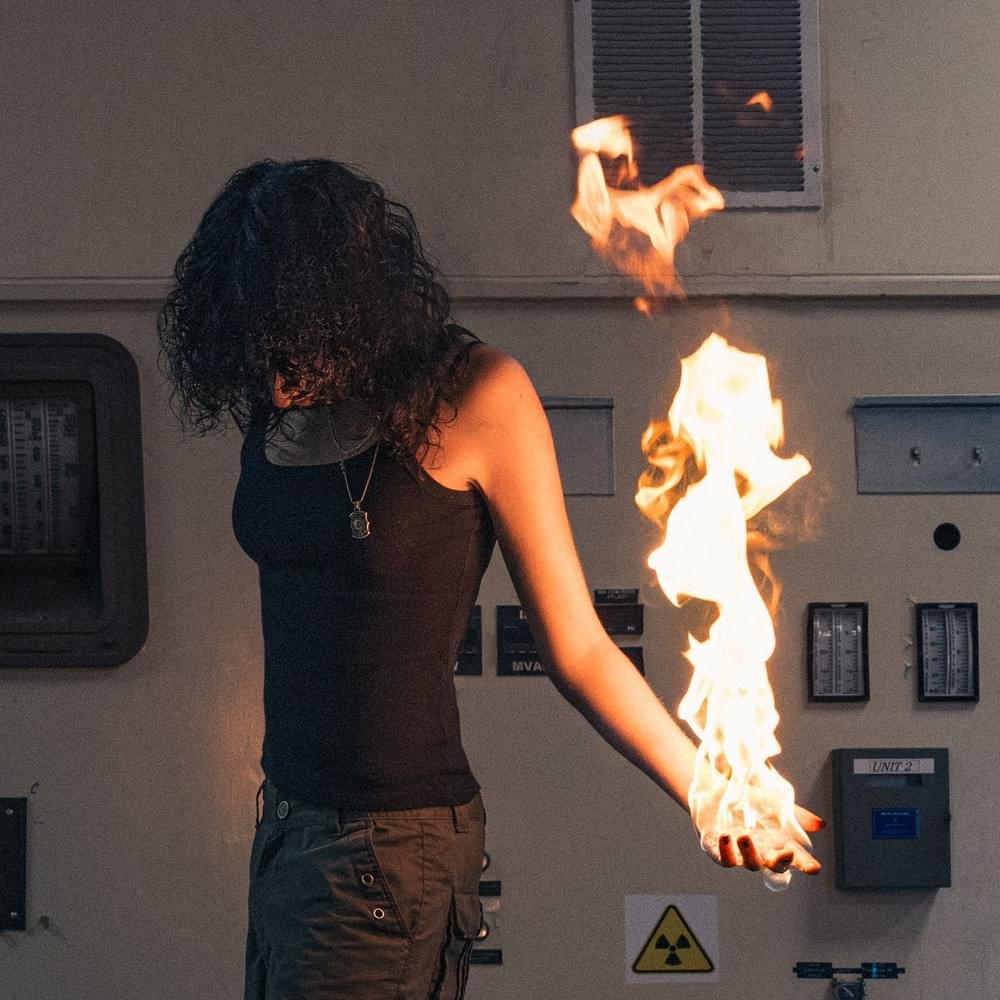
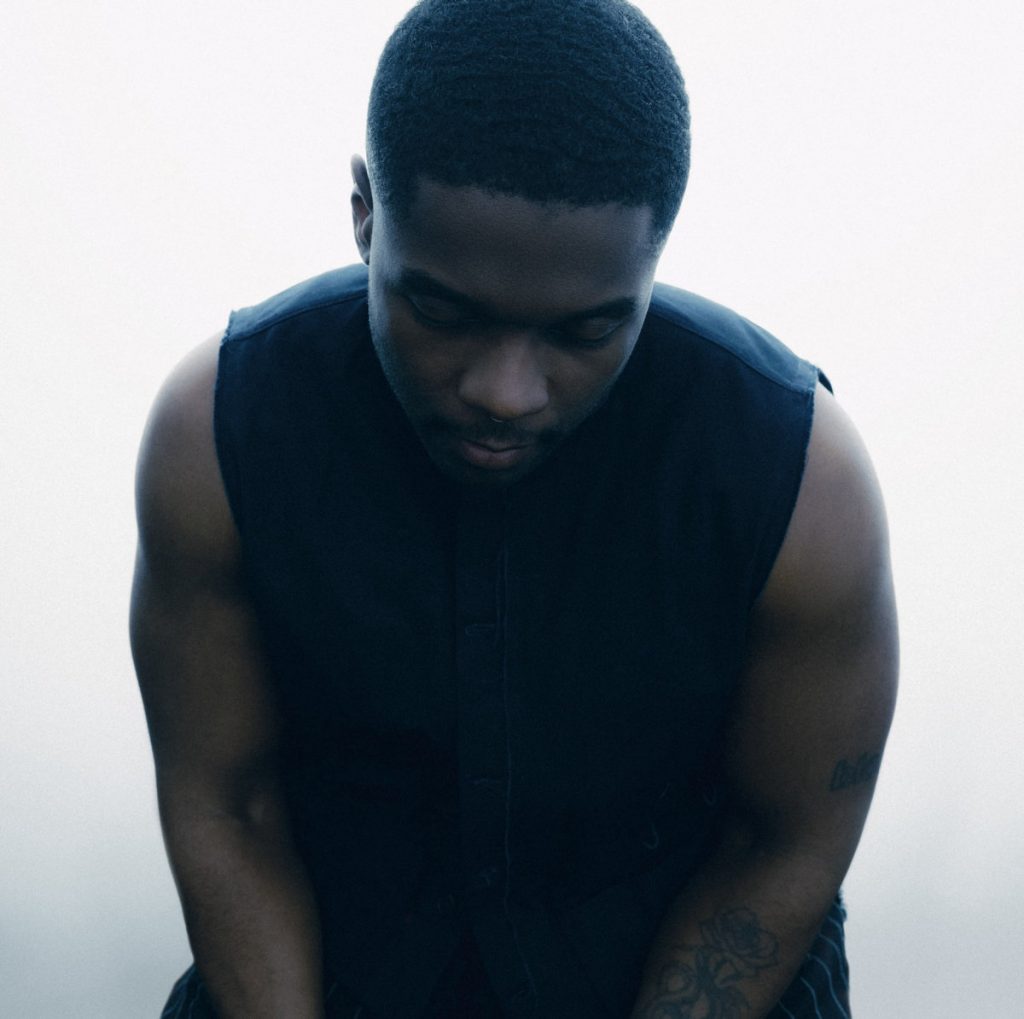
    Jane Remover is a trans artist infamous for pushing genre boundaries and has been named the face of digicore by Pitchfork and FADER. Ever since they released the EP Teen Week in 2021 at only 17 years old, major publications have been keeping a close eye on them and that only ramped up more with their debut album, Frailty, blowing everyone away and really forcing everyone to pay attention to them. Woodside gardens 16 december 2012 is a song on Teen Week that was released during a difficult point in their life (according to Jane when talking to Pitchfork) and perfectly encapsulated the emotions and social othering Jane felt during this time. 

    Immediately, the song kicks off with a melody layered by a sample of some people laughing to each other before some hard 808s come in and the melody sounds like something right out of an old Pokémon game. Sounds like these are used to create a nostalgic feeling which is a cornerstone of digicore production, another digicore artist and friend of Jane’s, d0llywood1 (when talking with iD) described digicore as “digital kids who met over the internet” making music that “sounds like s*** we found on the internet.” When the vocals come in, they are very crushed and autotuned which is another digicore trope. The robotic nature of the vocal juxtaposes Jane’s very soft voice underneath all of it, which comes from not wanting to disturb others in their family home. The lyrical content also juxtaposes the very happy-sound melody playing behind them. With talks about bad friends, self-loathing and anxious thoughts. Jane has opened many times about their less-than-idea school life and anxiety. With the former, they’ve talked about how reliant they are on the internet, telling Pitchfork that they’re “so terminally online that it hurts.” In the report Jane also mentions how bullying in their politically conservative town’s middle school led to them “acting more masculine” and tried to fit in but “still felt estranged.” This fits in directly with lyrics, most notably “shut up f*****, bury the hatchet, they won’t like you unless you’re acting.” 

    At 1:44, the song erupts into a fast breakbeat accented by a soft piano, whirling synths and soft vocal harmonies, not forgetting the infamous Bodies by Drowning Pool scream sample. This is deemed as one of Jane’s most compelling additions to the digicore sound as (according to a separate Pitchfork report) they are used to “express the all-consuming anguish of adolescence, heartbreak and dysphoria” that helps others “understand their queerness.”

    In short, woodside gardens 16 december 2012 is a song that really defines the queerness of digicore, presenting its very intoxicating internet aesthetics whilst still presenting a very real, queering identity. 
  • GOD SAVE THE QUEEN by Moor Mother

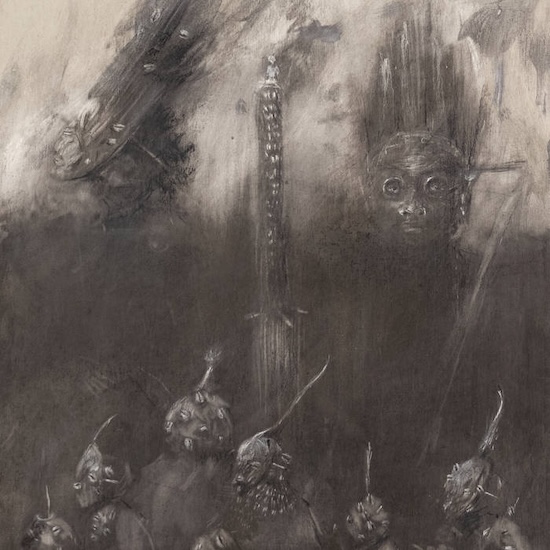
     Moor Mother is an American musician, poet and activist who is well known for her very political songs which birthed genres such as Afrofuturism. The song GOD SAVE THE QUEEN comes of the album The Great Bailout, which is an album describing “the knotty relationship between Europe and Africa” according to Pitchfork. The project came about when Moor Mother was asked to create a theme with an orchestra for the Tusk Festival. When talking to Walker, she states: “At that moment, when I was thinking what I could do, I felt it was imperative to focus on a historical moment that still has its residue, or remnants, here in the present.” 

    When talking to The Guardian, Moor Mother says: “As an African, our story runs all through the UK. I’m following the threads: what has happened to us, how we have to overcome it.” This theming of the UK can be seen prevalently in the song GOD SAVE THE QUEEN from the title alone, since it recycles the British national anthem however the Queen had been dead for over 2 years by the release of this album. 

    On this spoken word song mixing jazz and experimental drums, Moor Mother speaks about the Queen’s controversial past. RA describes the song as a “satirical plea for the safety of the Queen and all her stolen riches.” Lyrics such as “God save the Queen, because who else’s life has value,” and “Has her plantations been saved, Oh, God, thank you, God,” show this very ironic view of the royals, clearly showing how – according to The Daily Campus –  Moor mother is “critiquing the institution of royalty and how, to some, their lives are more valued than others.” 

    The instrumental itself is very trance-like, as if to represent how a large chunk of the UK populations sees the Queen, almost as if they are hypnotised into forgetting her past and worshipping her as a god. RA says that the “discordant chords, trap percussion and spiralling sax culminate into a nightmarish version of the [British] anthem.”

  • Airstrike by Nazar

    In Nazar’s song Airstrike, synthesis and sampling techniques are used to create a feeling of a warzone. The Enclave EP, which houses Airstrike, was made as a reflection upon the 27-year Angolan Civil War according to the EP’s bandcamp description. According to Factmag, Nazar comments on how Airstrike in particular is “recounting the stories of numerous airstrikes endured by his mother, aunties and older sisters.” To match this apocalyptic feeling, Factmag describes the EP as having “aggressive, militaristic sound design” and mixing that with traditional Angola kurudo music (which Nazar has dubbed “rough kurudo.” 

    Airstrike is very heavy handed when it comes to sampling, however there are no entries on WhoSampled for Nazar, meaning there are many samples of which we don’t know the origin of, such as the one at the beginning of the song (however we could infer this could be a family member of Nazar since, on the closing track Ceasefire, there is an audio of Nazar’s father reading his war journal); the publication Self-Titled makes a link between Nazar and the “weaponization of sound” so many sampled sounds are taken from war. The most noticeable sample being the gun clocking sound effect that makes up most of the percussion and is very important in creating the groove for the song. This was made by chopping up the sound effect and rearranging the chops to create a rhythm. There are also many samples placed around to create the atmosphere of a war, with airstrike sounds being heard and sirens blaring for the majority of the second half. Nazar’s name alongside other ghostly vocal samples are also plastered all over this song and is incorporated into the groove to create a very eerie vibe that Beggar’s Music describe as “raw, thrilling and unsettling.” 

    The sound design also stays within the theming of an apocalyptic warzone, with the main bass synth that plays for the majority of the song sounding like the feedback you get from a faulty connection – essentially electrical static. This sound evolves throughout the song using automated distortion to strengthen and weaken the effect to create different sections. In the second half noisy supersaw alarms start swarming and taking up the mix. Alongside the gun clocking and vocals samples there are some simple electric drums in the song, however these drums can be very difficult to follow at times, adding the very unsettling nature of the song since you don’t know what is going to happen next. 

    Every sound used in the song sounds faulty or broken and creates the very uninviting atmosphere all these publications have been talking about.

  • ultraviolet by usedcvnt

    Violet (artist name usedcvnt) is a breakcore producer birthed during the breakcore resurgence of the early 2020s. Categorised by artists such as Goresh*t and Machine Girl, modern breakcore is defined by its heavy ambient, digicore, dariacore and EDM influences, merging fast chopped up amen breaks with very soft chords and melodies on top. This very sudden change in what “breakcore” meant was met with heaps of controversy with bandcamp making a report on how “some feel like the term has been diluted to the point of a pure aesthetic,” and x.nte, a breakcore artist, says that “the bending of breakbeat, glitching it out or incorporating different sounds, it feels like this has been lost.” Ultraviolet tries to merge these two camps, making an album that pertains to its 2020 themes of “embracing anime and video game-inspired sounds and aesthetics” according to The Georgetown Independent; whilst also still pertaining somewhat true to the hardcore origins of breakcore and even trying to push the genre forward with new production ideas. 
     

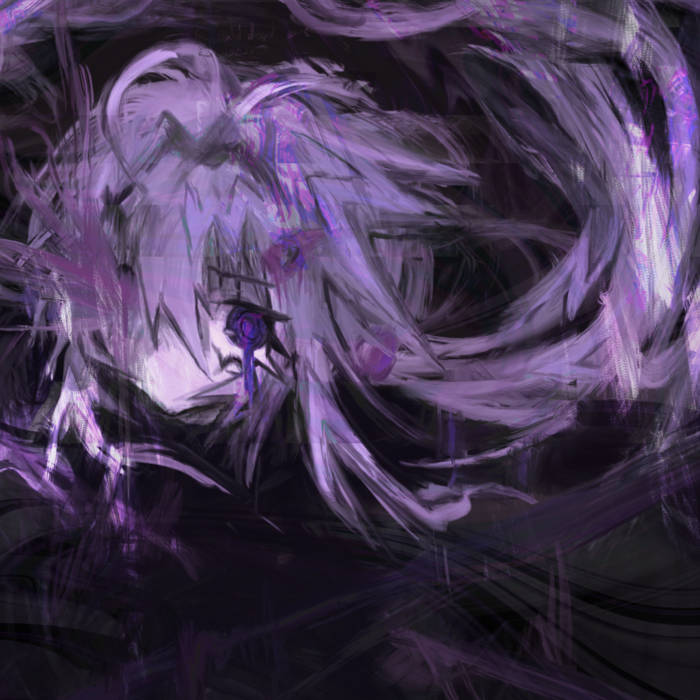
    Violet first sprouted onto the breakcore scene with their slightly derivative song “sorry mom, im making berakcore xd” blowing up on TikTok. Not much about them is known apart from being a musician and drawings she makes and commissions of their character which is essentially their mascot and front for all their work (as seen on the album cover of ultraviolet). The only piece of information on Violet is from their Twitter in which they speak about how, during the creation of this album, they were dealing with severe mental health issues and had heavy anxieties about the album not meeting expectations. However, this was the most successful release ever for Violet with 1 million album streams within a week but got mixed reviews with some saying the album was a very fun listen whilst others complained every song sounds the same on sites such as Album of The Year

    Actually listening to the album, the criticisms are slightly justified with many songs sounding like the preset chopped amen break, synth pad and unison reese bass that many people call “bogus” according to Nina. However, there are many songs on this album that try to push the new wave forward as well as pay homage to older breakcore. 

    Songs such as yours forever show a much grander take on what can only be described as a very lofi genre. Collaborating with abyssal angel and sampling vocal chops from a remix of Caramelldansen, these artists add so much more to the genre to create a very etherial song. Taking many notes out of the album Nurture by Porter Robinson the final instrumental passage mixes elements of the botanica present on that album and mixes them with this breakcore (the song Unfold on the album Nurture seems to be the biggest inspiration however other songs such as Look At The Sky and Musician seem to also be big inspirations for yours forever). The addition of vocals to this song also add to this wide and grand feeling, being very reverbed and spacious. This song really encapsulates the future of the new wave on breakcore artists. 

    On the other hand, the song i want to eat ur heaty couse i love you, whilst a lot softer than its much older contemporaries, brings back the unpredictable nature of early 2000s breakcore with very glitchy breaks for much of the song and no clear beat to follow. In the documentary Notes On Breakcore, Hrvatski, a breakcore producer, described the genre as “dance music you can’t dance to” and “complex and impossible to follow, how could you ever dance to this?” and that is the feeling this song brings whilst staying within the normal production techniques of the album.